


NWU Solar Observatory Hosts Live Coverage of Partial Solar Eclipse

Residents across South Africa are turning their eyes, safely, to the skies today, February 17, 2026, as North-West University (NWU) provides a front-row seat to a partial solar eclipse. Researchers and students at the NWU Solar Observatory, located on the Potchefstroom Campus, have launched a comprehensive livestream to ensure the public can witness the celestial alignment without the risk of eye injury.

The Science of the Event
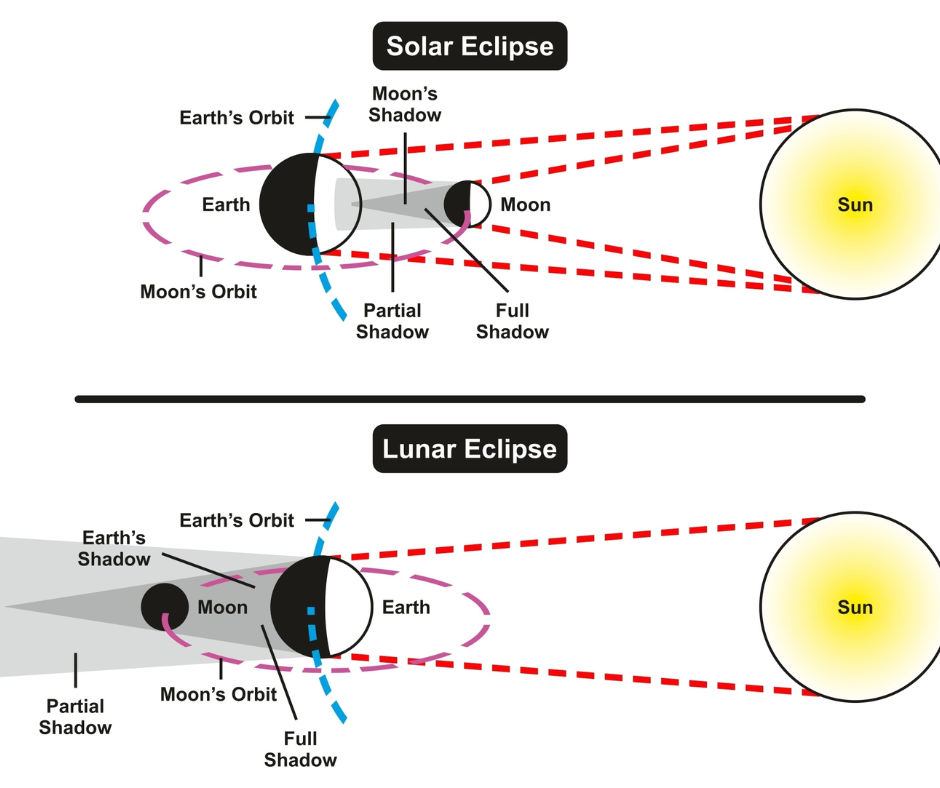
A partial solar eclipse occurs when the Moon passes between the Earth and the Sun, but the three bodies do not align perfectly. This results in the Moon covering only a portion of the Sun's disk, creating a "crescent" appearance of the solar body.
Shutterstock
Dr. Ruhann Steyn, a researcher from the Centre for Space Research, noted that while the eclipse is visible across most of the country, the degree of obscuration varies by location. On the Potchefstroom Campus, the Sun will reach a maximum coverage of 7.43%.
Viewing Schedule and Logistics
The event is being tracked with precision by the university's astronomical equipment. While all three NWU campuses fall within the visibility path, the following timeline has been established for the primary observation site:
Event Phase | Time (SAST) |
Livestream Start | 14:15 |
Eclipse Begins | 14:24 |
Maximum Eclipse | 15:09 |
Eclipse Ends | 15:51 |
Safety Protocols and Public Access
Experts have issued a stern reminder that looking directly at the Sun during any phase of a partial eclipse can cause permanent retinal damage. Standard sunglasses, even those with dark tints, do not provide sufficient protection against solar radiation.
"The livestream is the safest way to follow the event," the university stated, emphasizing that only certified ISO-compliant eclipse glasses should be used for direct viewing.
Link: Watch live from 14:15 TODAY: https://brnw.ch/21x00l9
The university's initiative aims to bridge the gap between complex space science and the general public, providing real-time commentary from students and faculty as the Moon makes its transit. The digital broadcast allows for a high-definition view of solar flares and sunspots that might be visible during the event, features often missed by the naked eye.
As the Moon’s shadow moves across the South African landscape, the NWU Solar Observatory continues to serve as a hub for both academic data collection and community engagement. By providing a safe, accessible platform, the university ensures that this astronomical phenomenon remains an educational milestone for the 2026 calendar year.
☀️🌑🔭🇿🇦


Comments