


The Savvy Traveler’s Manifesto: Mastering the Art of the Stay

In the fast-paced world of travel, a successful stay is rarely the result of pure luck. Whether it’s a boutique hotel in Paris or a cozy cabin in the woods, seasoned travelers know that the difference between a dream getaway and a logistical nightmare lies in the details.

To ensure a seamless experience, travelers must adopt the mindset of an investigative journalist: ask the right questions, pack with intention, and master the etiquette of the "excellent guest."
Questions You Should Always Ask
Before hitting the "book" button, it is essential to look beyond the curated photos. A wise traveler always confirms these four pillars:
The "Hidden Fee" Check: Are there resort fees, parking costs, or local occupancy taxes not included in the initial quote?
The Connectivity Reality: Is the Wi-Fi high-speed and accessible in the rooms, or only in the lobby? (Crucial for those working on the go).
The Arrival Grace Period: What is the protocol for early check-ins or late arrivals? Is there a secure place to store luggage if the room isn't ready?
The Neighborhood Pulse: Is the area walkable at night? Is there construction nearby that might impact sleep or accessibility?
The Modern Traveler’s Essentials
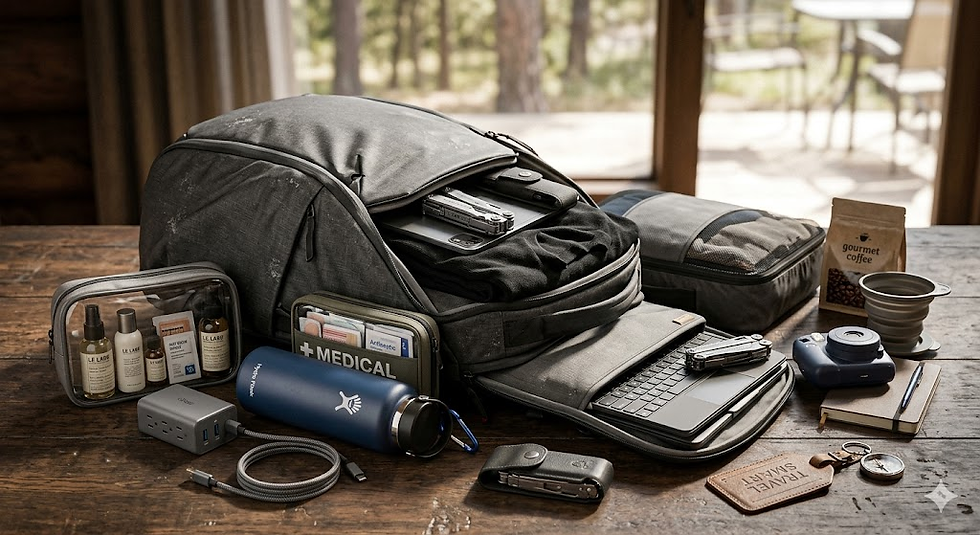
While most accommodations provide the basics, bringing a few strategic items can elevate the stay from functional to comfortable:
A Universal Power Strip: Outlets are often hidden behind heavy furniture or are insufficient for modern tech.
Basic First Aid & "What-Ifs": Always pack a small kit with pain relievers, bandages, and a few packets of instant coffee or tea (just in case the provided options are lackluster).
Personal Comforts: A silk pillowcase or a small travel-sized room spray can make an unfamiliar space feel instantly like home.
A Reusable Water Bottle: Essential for staying hydrated and reducing plastic waste.
How to Be an "Excellent Guest"
Hospitality is a two-way street. Being an excellent guest doesn't mean being invisible; it means being considerate.
Communicate Early: If something is broken or missing, tell the host immediately rather than waiting to complain in a review.
Respect the "House Rules": These aren't suggestions. Following quiet hours and smoking policies shows respect for the property and other guests.
The Pre-Checkout Tidy: One doesn't need to deep-clean, but stripping the used bedsheets, gathering towels in one spot, and ensuring all trash is in the bin goes a long way.
The Art of the Review: Timing and Content
The review is a traveler's most powerful tool, but it must be wielded correctly.
When to post? Never post a review the moment you arrive. Emotions,whether high or low,can cloud judgment. The gold standard is the day after check-out. This allows time to reflect on the entire experience, from the first greeting to the final departure.
What to include:
Specifics: Mention the comfort of the bed, the noise level, and the helpfulness of the staff.
The "Vibe": Is it better for families, solo business travelers, or couples?
Accuracy: Did the room match the photos?
What to leave out:
Personal Grudges: If a staff member had a bad day but corrected the mistake, there’s no need to name-call.
External Factors: Don’t penalize a hotel for the weather or traffic in the city; keep the focus on the property itself.

Should you leave a negative review? Yes. If the experience was genuinely poor or misleading, a negative review serves as a vital warning for future travelers. However, it should be written constructively. Explain why it was disappointing. A fair, honest critique,even a negative one,is more helpful than a vague, angry rant. North West Accommodation Hotel : Click Here Self Catering : Click Here Lodges & Resorts : Click Here B&B and Guesthouses : Click Here


Comments