


The Shadow of the Transvaal: The Reality of the Klerksdorp Concentration Camps

The history of Klerksdorp is inextricably linked to the Second Anglo-Boer War (1899–1902), a conflict that introduced a devastating military strategy known as the "Scorched Earth" policy. While the town’s stock exchange represented the height of colonial ambition, the concentration camps established on its outskirts represented the nadir of human suffering in the region.

An Institutional Failure
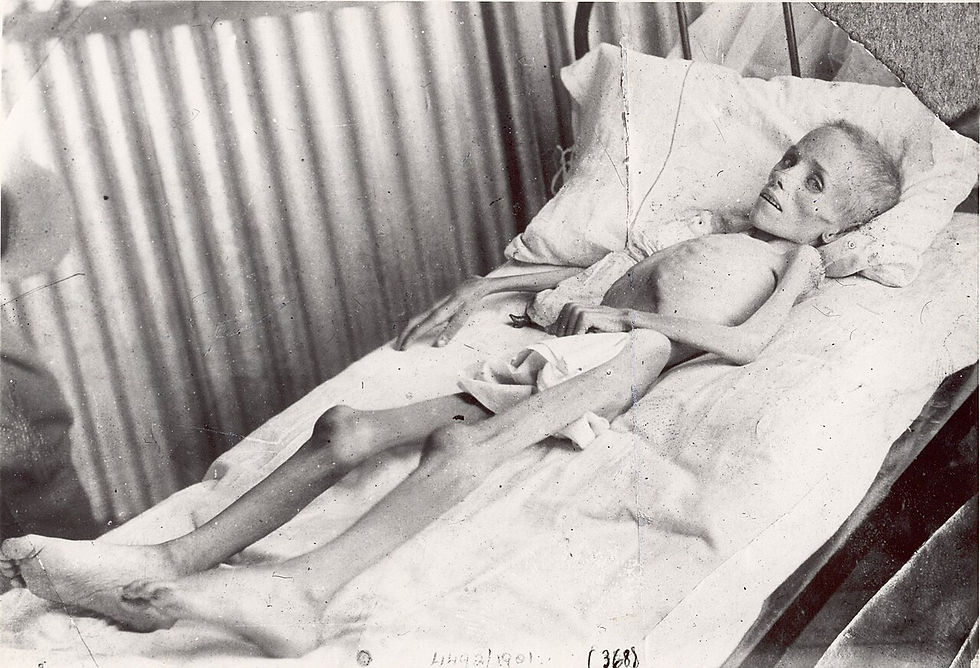
The Klerksdorp camps were not "refugee centers" in any voluntary sense; they were forced internment sites designed to break the logistics and morale of the Boer commandos by removing their families and labor force from the land. The reality of these camps was defined by what Sir Henry Campbell-Bannerman termed a "method of barbarism", characterized by chronic overcrowding and a catastrophic lack of medical foresight.

The White Concentration Camp: A Legacy of Loss
Established in late 1900, the Boer camp located south of the town grew rapidly in May 1901. As British "drives" cleared surrounding farms, the population swelled with destitute families. Although considered "well-run" by British administrative standards due to its proximity to supply lines, it became one of the deadliest sites in the Transvaal.
Monthly Timeline of the 1901 Crisis:
Year/Month | Notable Condition/Event | Impact on Inmates |
1901 May | Rapid population surge | Nearly 1,000 new arrivals; severe overcrowding. |
1901 July | Measles Outbreak | Mortality spiked as disease spread through tent rows. |
1901 August | Quarantined | Entire camp isolated to prevent scarlet fever entry. |
1901 Sept | Peak Mortality | Deaths reached critical levels; Typhoid became rampant. |
1901 Oct | Medical Emergency | Dr. Russell established "tent hospitals" for malnutrition. |
The Invisible Toll: Black Concentration Camps
A frequently overlooked truth is the establishment of separate camps for Black South Africans. Often the farmworkers or servants of the Boers, they were caught in the crossfire of the scorched earth policy. The British military placed these camps strategically along railway lines to utilize the men as forced labor for digging trenches or scouting.
Unlike the Boer camps, the British did not initially feel a "moral obligation" to provide full rations or medical care to Black internees. Inmates were often forced to "earn" their rations through labor, leaving the elderly and children to suffer from extreme malnutrition and exposure.
The Medical Crisis and Mortality
The tragedy was exacerbated by diseases that targeted the vulnerable. Measles, Typhoid (enteric fever), and Pneumonia were the primary killers. One of the most horrifying conditions recorded was Cancrum Oris, a form of jaw gangrene that affected malnourished children who had survived other infections.
The camp’s medical officer, Dr. Russell, attempted to mitigate the disaster by setting up specialized marquee hospitals. However, the "Scorched Earth" policy had created a humanitarian crisis the British logistical tail was never designed to handle. Fresh vegetables and milk were luxuries, leading to widespread scurvy and marasmus (severe malnutrition).
The Cemetery of Memories
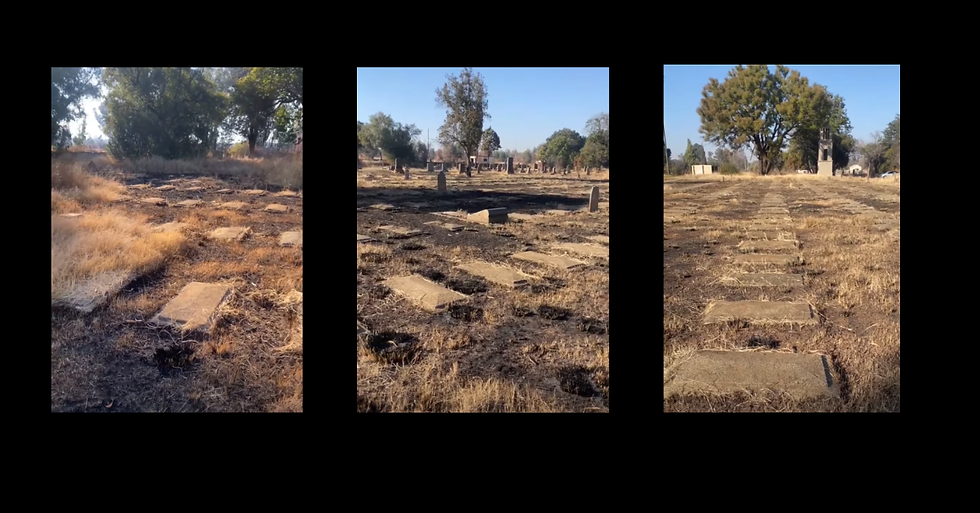
Today, the Klerksdorp Concentration Camp Cemetery remains as a stark historical landmark. It contains the graves of over 1,600 people who perished in the camp, the vast majority being children under the age of fifteen. It stands as a silent witness to the cost of "total war," where civilians become the primary target.
Architecture of Endurance
Despite the horrors, stories of human resilience survived. Women used sewing machines to earn small incomes for "medical comforts," and others brought pianos and organs on wagons, refusing to let the military strip them of their cultural dignity even as their homes burned.


Comments